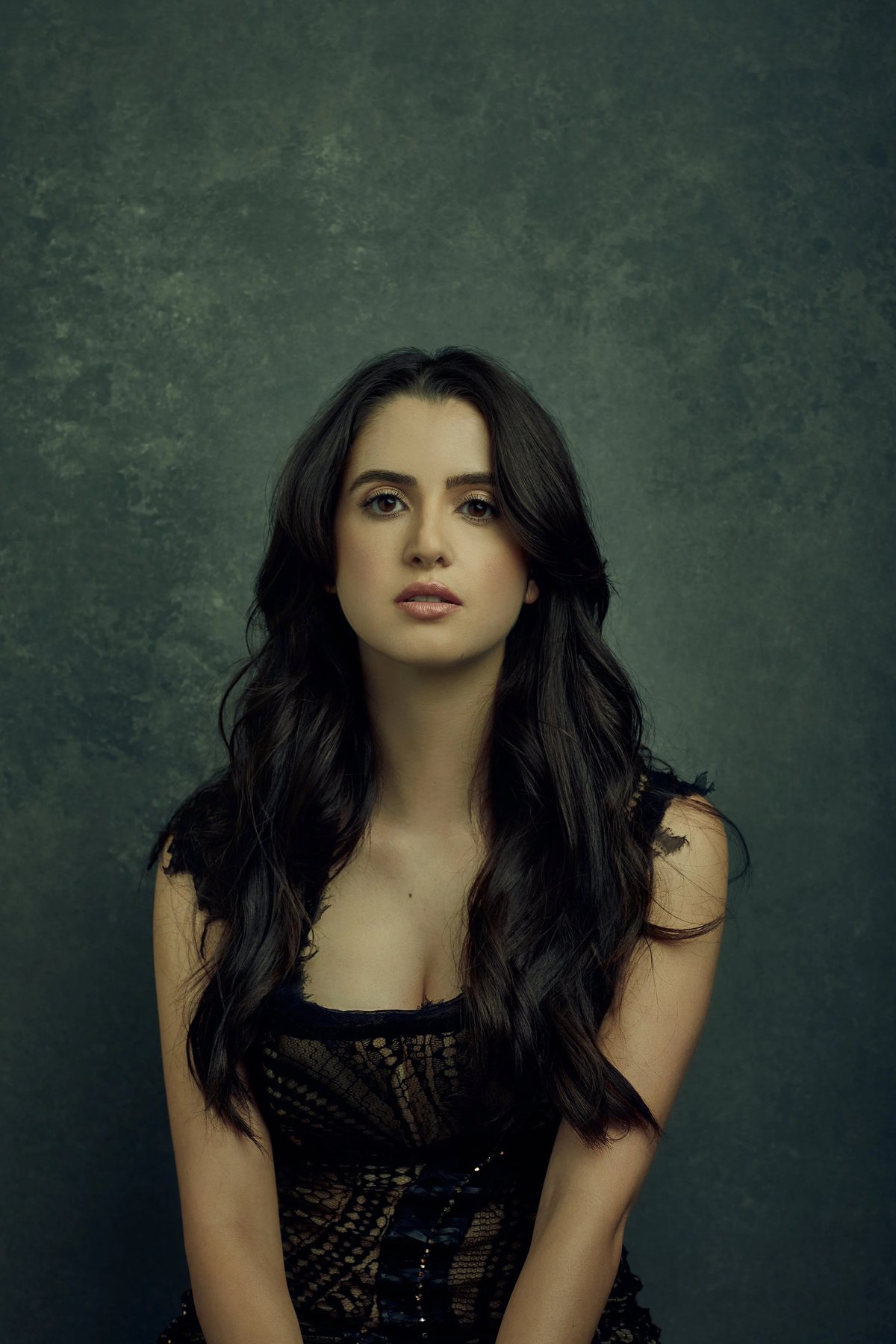
When you think of Laura Marano, chances are your mind immediately jumps to her live-action roles, perhaps her breakout as Ally Dawson in Disney Channel's Austin & Ally, or her more recent forays into film and music. But beneath the familiar on-screen presence lies a dynamic, often unsung, aspect of her career: Laura Marano movies and TV shows include a surprisingly rich tapestry of voice acting performances. From charming children's characters to sarcastic parodies and even serious animated shorts, Marano has quietly built an impressive resume behind the microphone, showcasing a versatility that few actors achieve across mediums.
This isn't just about lending a recognizable voice; it's about crafting distinct personalities, conveying emotion purely through intonation, and bringing animated characters to life with nuance. For fans and aspiring actors alike, delving into Marano's voice work offers a fascinating look at the breadth of her talent and the intricate craft of voice acting.
At a Glance: Laura Marano's Voice Acting Journey
- Early Start: Began her voice acting journey as a young child, contributing "additional voices" to major animated films like Finding Nemo (2003) and Ice Age: The Meltdown (2006).
- Notable Childhood Role: Voiced Mei Mei, the lovable panda, in the popular Nickelodeon series Ni Hao, Kai-Lan (2007-2008).
- Disney Animation Presence: Lent her voice to several Disney animated series, including recurring roles like Rachel in Randy Cunningham: 9th Grade Ninja and one-off characters in Fish Hooks and Pickle and Peanut.
- Unexpected Parody: Stepped into the role of Evie from Descendants for a comedic segment in Robot Chicken, demonstrating her comedic timing and ability to mimic beloved characters.
- Diverse Range: From sweet and innocent to quirky and serious, her vocal performances highlight a remarkable ability to adapt to various character types and project tones.
- Continued Evolution: Her more recent work, such as Pandemica, signals a move towards more mature and impactful voice roles, showcasing her growth as an artist.
The Unseen Art: Why Voice Acting Matters
Before we dive into Marano's specific roles, it's worth appreciating the unique demands of voice acting. Unlike live-action, where an actor uses their entire body, facial expressions, and stage presence, voice acting relies solely on vocal control. Every emotion, every intention, every comedic beat must be conveyed through pitch, timbre, rhythm, and articulation. It's an art form that requires an extraordinary command of one's voice, the ability to create entire worlds and personalities within a sound booth.
For a young actor like Laura Marano, starting with voice work offers an invaluable training ground. It teaches them to connect with a character on a deeper, less superficial level, focusing on internal motivation rather than external appearance. This foundation undoubtedly contributed to her success in live-action roles, providing a robust understanding of character development.
From Uncredited Murmurs to Distinct Personalities: Marano's Early Animated Footprint
Laura Marano's journey into voice acting began incredibly early, even before many knew her name. Her first credited animation work dates back to when she was just a child, contributing to some of the biggest animated features of the early 2000s.
The Foundational Years: Finding Nemo and Ice Age: The Meltdown
Imagine being a child and having your voice — however briefly — immortalized in an animated classic. Marano did just that. She provided "additional voices" for Pixar's beloved Finding Nemo (2003) and Blue Sky Studios' Ice Age: The Meltdown (2006).
While these roles don't feature named characters or significant lines, they are crucial for a burgeoning voice actor. "Additional voices" often involve creating background chatter, crowd reactions, or minor, incidental characters that fill out an animated world. It's a foundational experience that teaches young talent about vocal projection, blending into an ensemble, and understanding the rhythm of a scene without being the focal point. For Marano, these early experiences laid the groundwork for more prominent roles to come, allowing her to get comfortable in the recording studio environment.
Stepping Into the Spotlight: Mei Mei in Ni Hao, Kai-Lan (2007-2008)
One of Marano's first truly identifiable voice roles was as Mei Mei, the adorable panda in the popular Nickelodeon animated series Ni Hao, Kai-Lan. Premiering in 2007 (with Marano's work likely spanning 2007-2008), this show aimed to introduce preschool children to Chinese culture and the Mandarin language through engaging stories and charming characters.
As Mei Mei, Marano embodied a sweet, friendly, and helpful panda, a perfect fit for the show's positive and educational themes. Her voice, even at a young age, conveyed a warmth and innocence that made Mei Mei instantly likable. This role required Marano to maintain a consistent character voice across multiple episodes, interacting with other voice actors and developing a character through sound alone. It was a significant step up from "additional voices" and a clear indicator of her ability to portray a distinct animated personality.
Early Episodic Work: The X's and Beyond
Marano also had a one-off role as Andrea in an episode of Nickelodeon's The X's in 2006. This brief appearance, while minor, illustrates the typical trajectory of young voice actors: taking on various small roles across different series to gain experience and exposure. These roles, often without much backstory, demand quick adaptability from the actor, the ability to jump into a scene and deliver a specific vocal performance without extensive character development time.
Navigating the Disney Universe: From Hamsters to Ninjas
As Laura Marano grew, so did her acting career, leading to prominent live-action roles that eventually made her a household name. However, her connection to animation, particularly within the Disney ecosystem, remained strong. These roles often showcased her ability to voice a wider array of characters, from quirky and comedic to more grounded and supportive.
Quirky Cameos: Girl Hamster #2 in Disney Fish Hooks (2014) and Veronica in Disney Pickle and Peanut (2015)
In 2014, Marano lent her voice to Girl Hamster #2 in a specific episode (ep101) of Disney Channel's Fish Hooks. The show, known for its unique animation style and offbeat humor, presented an opportunity for Marano to experiment with more comedic timing in a brief, memorable appearance. The following year, she appeared as Veronica in an episode (ep5) of Disney Pickle and Peanut, another series characterized by its distinct, often surreal humor.
These roles, while seemingly minor, are crucial for a voice actor's development. They demonstrate versatility, proving that an actor can deliver a specific type of performance—whether it's a quick punchline or a quirky personality—within a limited timeframe. It’s about making a strong impression quickly and efficiently, a skill highly valued in the fast-paced world of animation production.
A Consistent Presence: Rachel in Disney Randy Cunningham: 9th Grade Ninja (2014-2015)
One of Marano's more significant recurring voice roles during her Disney Channel years was as Rachel in Disney Randy Cunningham: 9th Grade Ninja. This animated series, which aired from 2012 to 2015, saw Marano contribute in 2014-2015.
Rachel was typically portrayed as a classmate of the titular ninja, Randy. While not a main character, her presence allowed Marano to develop a more consistent vocal characterization over multiple episodes. This role required a voice that fit the tone of a high-energy action-comedy, likely calling for a blend of teenage earnestness and occasional exasperation. It offered a different kind of challenge than the quick cameos, providing an opportunity for sustained character work within a popular animated series.
The Unexpected & The Evolving: Parody and Purposeful Performance
Laura Marano's voice acting résumé isn't just a straightforward progression; it includes surprising turns that highlight her willingness to embrace diverse projects and showcase different facets of her talent.
Comedic Genius: Evie (Descendants) in Robot Chicken
Perhaps one of Marano's most unexpected and delightfully clever voice roles was as Evie (from Descendants) in the Adult Swim sketch comedy series Robot Chicken. While Robot Chicken itself started in 2005, Marano's specific appearance as Evie would have occurred significantly later, likely after the Descendants franchise gained popularity (the first Descendants film premiered in 2015).
This role is a testament to Marano's comedic timing and her ability to not only mimic a character but to also find the humor in exaggerating their traits for parody. Robot Chicken is known for its stop-motion animation and satirical takes on pop culture, and voicing a character like Evie in this context required a blend of recognizable vocal performance with a sharp, self-aware comedic edge. It showed a different, more mature side to her voice work, moving beyond the children's animation sphere into adult-oriented comedy.
A Shift in Tone: Unknown Character #16 in Pandemica (2021)
Moving into more recent work, Marano lent her voice to an "Unknown Character #16" in the 2021 animated series Pandemica. This project marked a noticeable departure from her previous animation work. Pandemica, created by Oscar-winning director Neil Gaiman and produced by the European Union, is a series of animated shorts designed to raise awareness about global inequalities, particularly in access to COVID-19 vaccines.
While specific details about "Character #16" are scarce, the nature of Pandemica suggests a more serious, impactful, and perhaps even somber tone. This kind of voice work demands a different level of emotional depth and gravitas. It showcases Marano's growth as an actor, capable of using her voice not just for entertainment but for projects with a significant social message. It's a compelling example of an actor using their platform and talent to contribute to meaningful causes through their craft.
The Craft of Transformation: What Marano's Voice Acting Reveals
What can we glean from Laura Marano's varied voice acting career? Beyond the specific characters, her journey reveals several key insights into her artistic process and capabilities.
1. Versatility is Key
Marano's roles span a wide spectrum: the sweet innocence of Mei Mei, the energetic normalcy of Rachel, the quick-witted humor of a Fish Hooks character, and the satirical bite required for Robot Chicken. This breadth demonstrates remarkable vocal flexibility and an ability to adapt her natural speaking voice to suit vastly different personalities and age ranges. A truly successful voice actor isn't just about having a unique voice; it's about having a malleable one.
2. Mastering the Nuance of Emotion
In voice acting, every gasp, whisper, shout, or sigh must carry precise emotional weight. Marano has consistently proven her capability to imbue her characters with genuine feelings, whether it's the joy of a panda or the exasperation of a high school student. This ability to convey complex emotions purely through vocal inflection is a hallmark of a skilled performer.
3. Professionalism from a Young Age
Starting with "additional voices" and progressing to recurring roles in major animated series underscores Marano's early professionalism and dedication to the craft. Voice acting demands discipline, often requiring long hours in a sound booth and the ability to take direction precisely. Her continuous engagement with animation throughout her live-action stardom speaks volumes about her commitment to this aspect of her career.
4. Bridging Live-Action and Voice Work
For many actors who achieve fame in live-action, voice acting can become a secondary pursuit or a fun side gig. For Marano, it seems to be an integral part of her artistic identity. Her live-action experience, particularly in comedic roles like Austin & Ally, undoubtedly honed her timing and character development skills, which then translate seamlessly back into her voice work. The same expressive qualities that make her compelling on screen are simply funneled through her voice when she's behind the mic.
The Future of Marano's Voice: What's Next?
Given her track record of diverse roles and her continuous evolution as an actor, it's exciting to consider where Laura Marano's voice acting career might head next. Her willingness to take on projects like Pandemica suggests an interest in more mature and impactful storytelling. We might see her tackle:
- Lead roles in feature animated films: Her established fan base and acting prowess make her a strong candidate for central characters in major studio productions.
- Video game voice work: The gaming industry is a rapidly growing field for voice actors, offering complex characters and extensive dialogue.
- Podcast dramas: The rise of audio dramas provides another avenue for actors to showcase their vocal talents in immersive storytelling.
- Further forays into adult animation: Her Robot Chicken appearance proved she has the chops for more edgy or satirical animated content.
Her journey so far demonstrates that Laura Marano is not just an actor who occasionally lends her voice to animation; she is a dedicated voice artist who has thoughtfully developed her skills and contributed to a wide array of projects. Each character, no matter how big or small, has served as a testament to her talent and a brushstroke in the larger portrait of her impressive career.
Frequently Asked Questions About Laura Marano's Voice Acting
Q: Did Laura Marano voice Ally Dawson in an animated series?
A: No, Laura Marano played Ally Dawson in the live-action Disney Channel series Austin & Ally. While her voice acting career is extensive, she did not voice an animated version of Ally Dawson.
Q: What was Laura Marano's first voice acting role?
A: Laura Marano's earliest credited voice acting roles were providing "additional voices" for the animated films Finding Nemo (2003) and Ice Age: The Meltdown (2006) when she was a young child. Her first notable named role was Mei Mei in Ni Hao, Kai-Lan.
Q: Has Laura Marano done voice acting for video games?
A: Based on available public records, Laura Marano has primarily focused on animated television series and films for her voice acting work. There are no prominent credited video game voice roles listed for her at this time.
Q: How does voice acting compare to live-action acting for someone like Laura Marano?
A: For Laura Marano, voice acting allows her to inhabit a wider range of characters that might not align with her physical appearance or typical live-action casting. It demands intense focus on vocal delivery, inflection, and emotional nuance without the aid of body language or facial expressions. Live-action, conversely, integrates all these elements. Both require deep character understanding, but the mediums demand different performance techniques.
Q: Is Laura Marano still actively pursuing voice acting roles?
A: Yes, her recent role in Pandemica (2021) indicates she continues to take on voice acting projects, showcasing her ongoing commitment to this facet of her career.
Beyond the Mic: Appreciating the Unseen Impact
Laura Marano's voice acting performances are more than just credits on a résumé; they are a testament to her enduring talent, adaptability, and passion for the craft of acting in all its forms. From the earliest days providing background chatter in cinematic blockbusters to embodying beloved cartoon characters and lending her voice to meaningful social commentary, Marano has consistently demonstrated a profound ability to bring life and personality to animated figures.
Her journey reminds us that true acting prowess transcends the screen, thriving in the subtle power of a well-placed intonation, a perfectly timed comedic beat, or a deeply felt emotional delivery. Next time you encounter an animated character, consider the unseen artist behind the voice – it might just be someone as surprisingly versatile and dedicated as Laura Marano, crafting magic one vocal take at a time.